🚂 The Afterburn Effect Explained
When you challenge your muscles with resistance training, your body uses extra oxygen to repair tissues and restore energy. This process, known scientifically as Excess Post-Exercise Oxygen Consumption (EPOC), keeps your metabolism elevated for hours after your workout.
Think of it like a train engine: even after the train stops, the engine stays warm and continues to consume fuel.
⚡ Why Strength Training Is a Metabolic Powerhouse
1. Muscle Repair = Energy Demand
Every rep creates tiny tears in muscle fibers. Repairing them requires energy, meaning your body keeps burning calories during recovery.
2. Increased Muscle Mass = Higher Resting Burn
Muscle tissue is metabolically active—it burns more calories at rest than fat. The more muscle you build, the more your body becomes a calorie-burning machine, even while you sleep.
3. Hormonal Boosts
Resistance training triggers hormones like growth hormone and adrenaline, which elevate metabolism and fat oxidation long after your workout ends.
4. Greater EPOC Than Cardio Alone
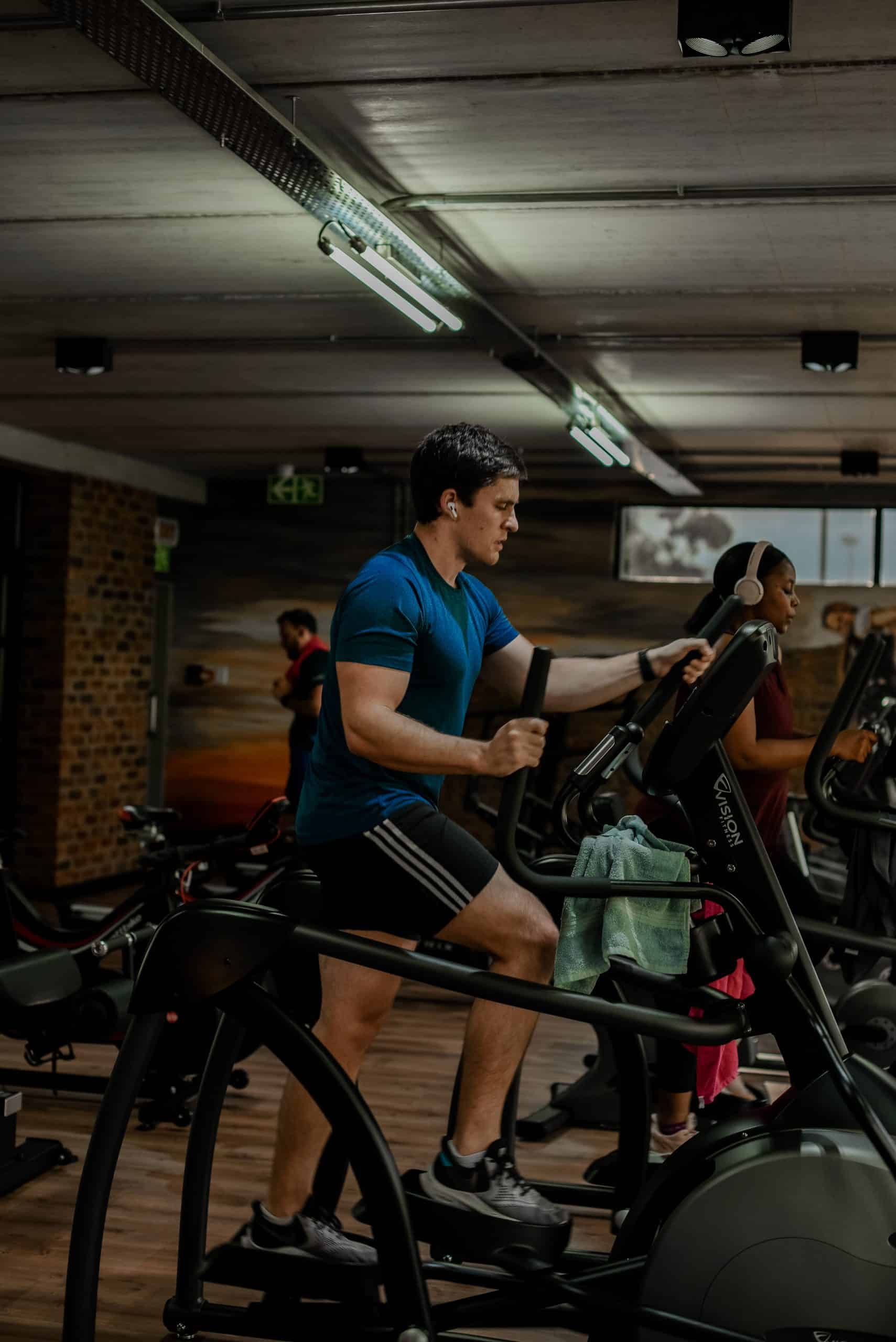
While cardio burns calories during the activity, strength training creates a longer-lasting afterburn. Combining both maximizes results.
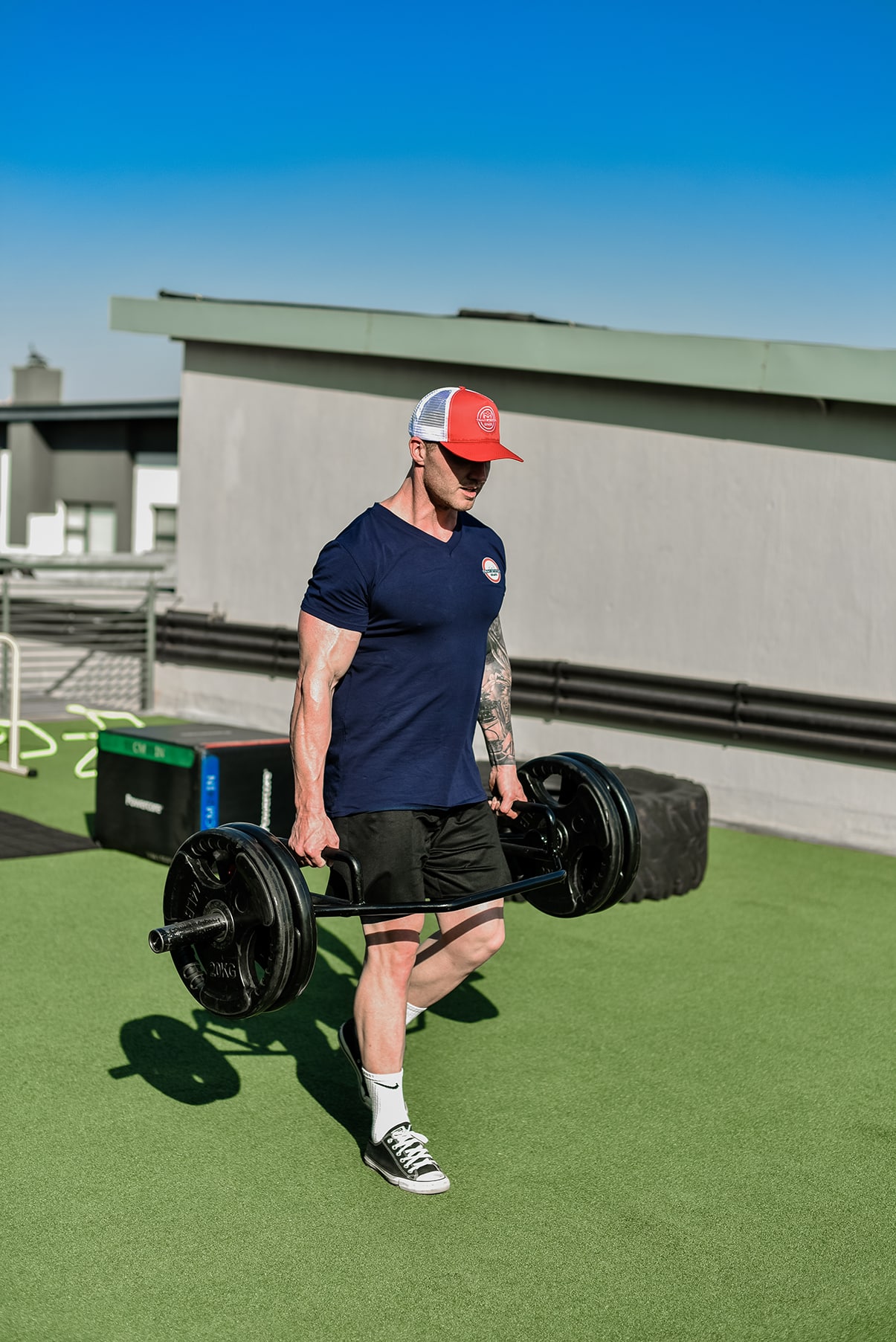
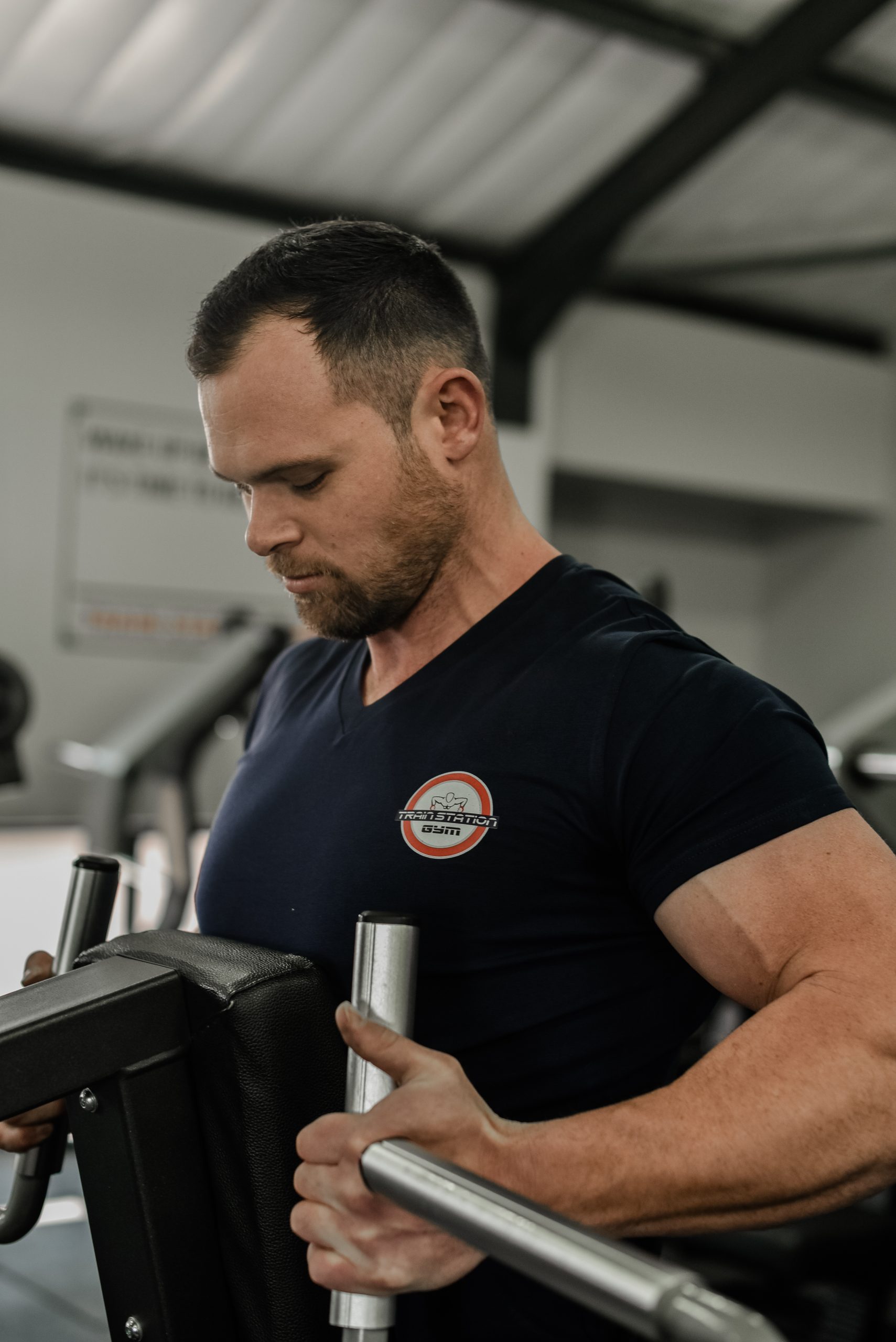
🛤️ Train Station Gym Midstream Advantage
At Train Station Gym, every piece of equipment—from free weights to functional training zones—is designed to activate your metabolic engine. Whether you’re lifting heavy or doing circuit training, you’re setting your body up for hours of calorie burn beyond the gym doors.